Quick Answer: UK waste disposal requires using council recycling centres, bulky collection services, licensed waste carriers, or skip hire, depending on item type, with legal obligations for proper waste transfer documentation.
Disposing of waste properly in the UK means following national regulations that determine how households, landlords, and small businesses must handle everything from furniture to building rubble. This complete guide explains legal disposal routes for every waste type, covering council services, licensed carriers, skip hire, and recycling options so you can get rid of unwanted items safely and legally.
Key Takeaways
- UK households generated 25.9 million tonnes of waste in 2023, with legal disposal requiring authorised carriers and proper documentation.
- Furniture, appliances, and building waste need specific disposal routes including council collections, recycling centres, or licensed professional services.
- Waste duty of care obligations mean anyone producing waste must ensure it reaches authorised facilities with correct transfer notes.
What are the Waste Disposal Rules in the UK
The UK waste hierarchy prioritises prevention, reuse, recycling, recovery, and disposal as the final option, guiding how all waste producers must manage materials.
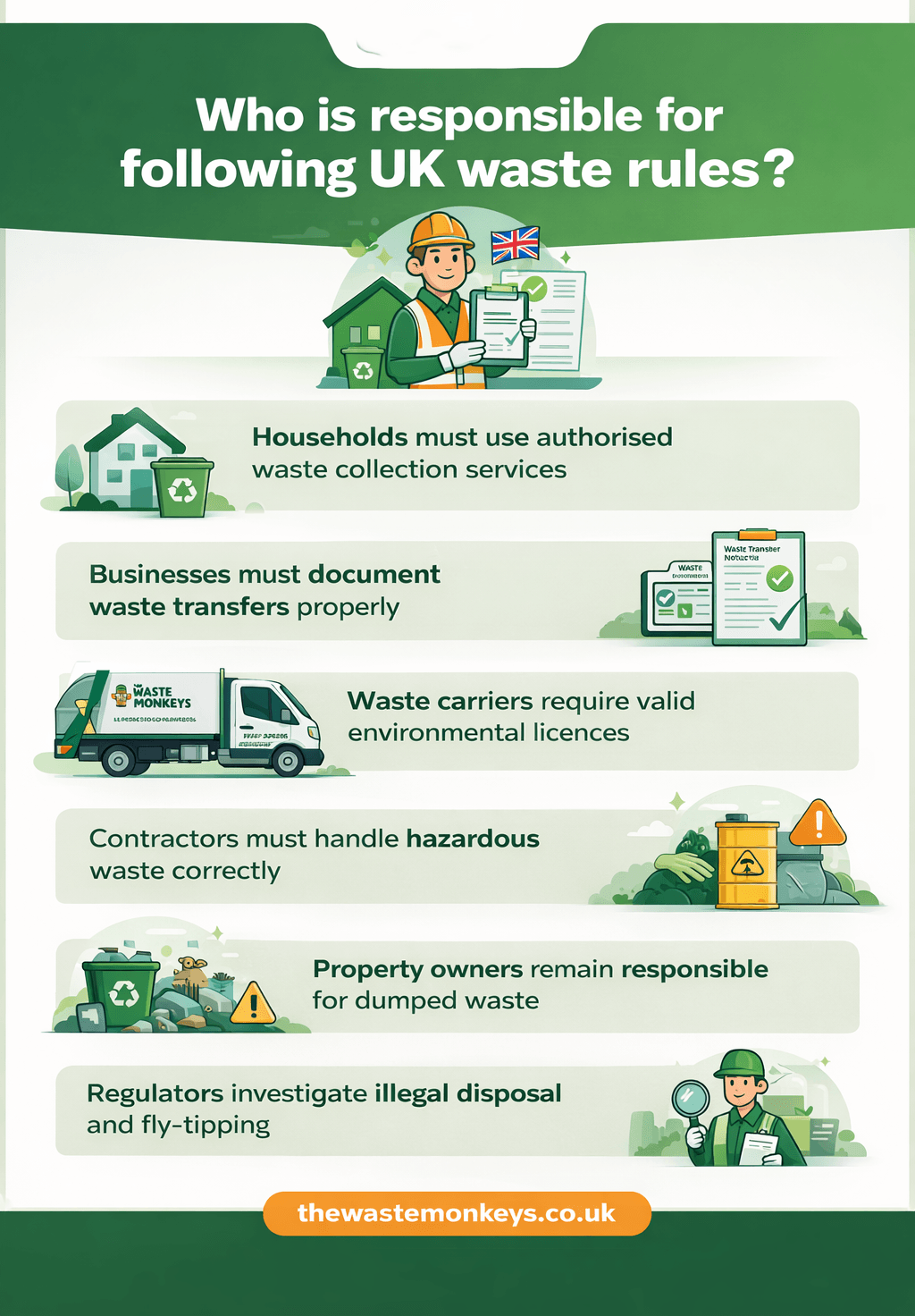
Duty of care obligations require anyone producing or handling waste to transfer it only to authorised carriers, maintain waste transfer notes for business waste, and complete consignment notes for hazardous materials.
Households generated 25.9 million tonnes of waste in 2023, representing a 1 percent increase compared with 2022 levels, while local authorities recycled 10.4 million tonnes of collected waste with volumes increasing 3.6 percent year on year.
Following these rules protects against environmental damage and legal penalties, while fly-tipping incidents create pollution risks, fire hazards, and substantial public cleanup costs that environmental regulators actively investigate and prosecute.
What Happens to Waste After Collection
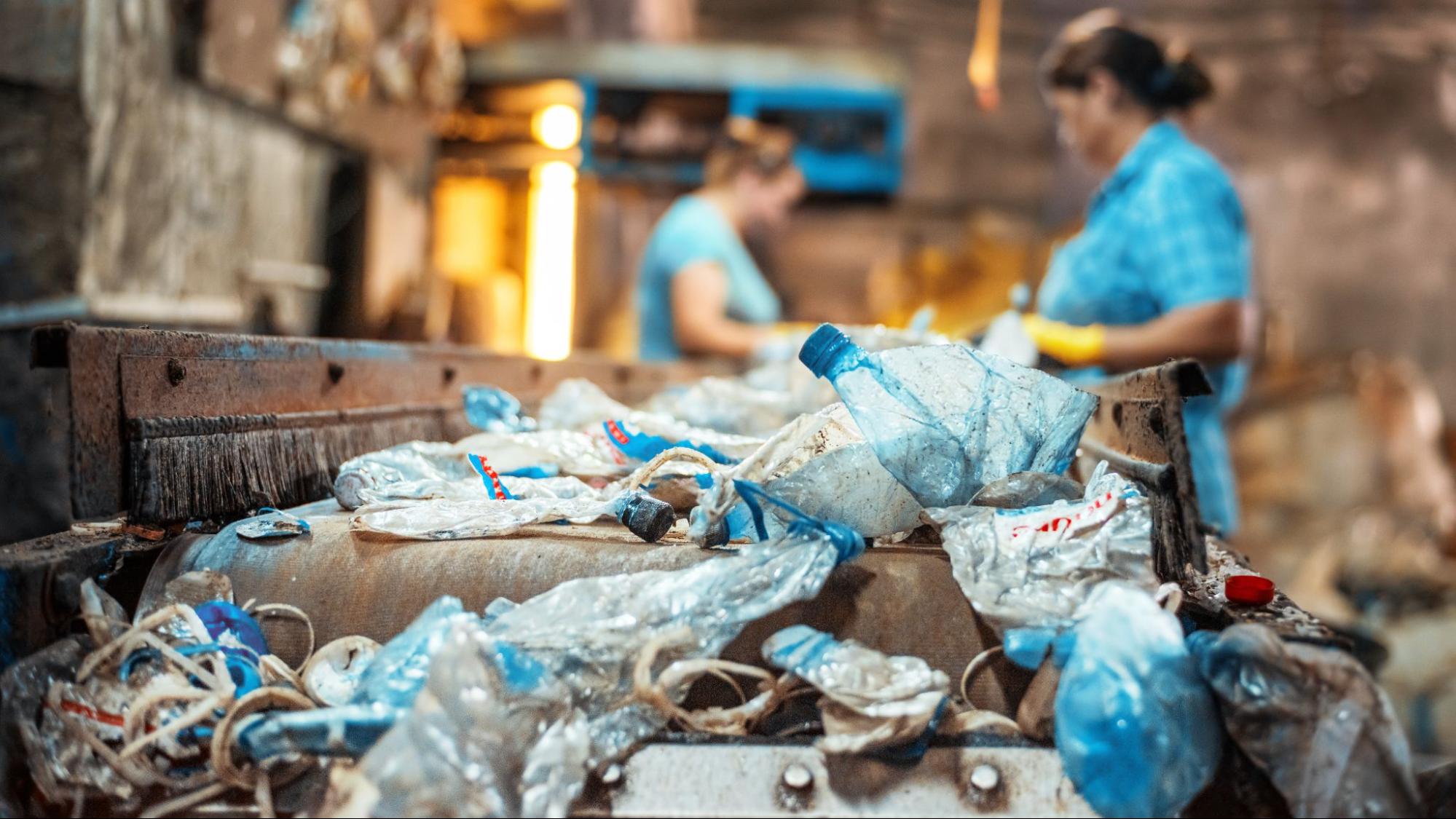
Collected waste travels to waste transfer stations where materials get sorted into recyclable streams, including plastics, metals, glass, and paper that processing facilities convert into raw materials for manufacturing.
Non-recyclable waste flows to energy from waste facilities that incinerate materials to generate electricity and heat, reducing volumes headed to landfill. Landfill remains the lowest priority disposal method, used only when recycling and recovery options cannot process specific waste types.
National household behaviour research shows 82 percent of UK residents reported placing at least one non-recyclable item in recycling bins, creating contamination that reduces material recovery rates and increases sorting costs at processing facilities.
The Main Ways to Dispose of Waste in the UK
Legal disposal options vary by waste volume, material type, and urgency, with households accessing multiple routes depending on specific circumstances.
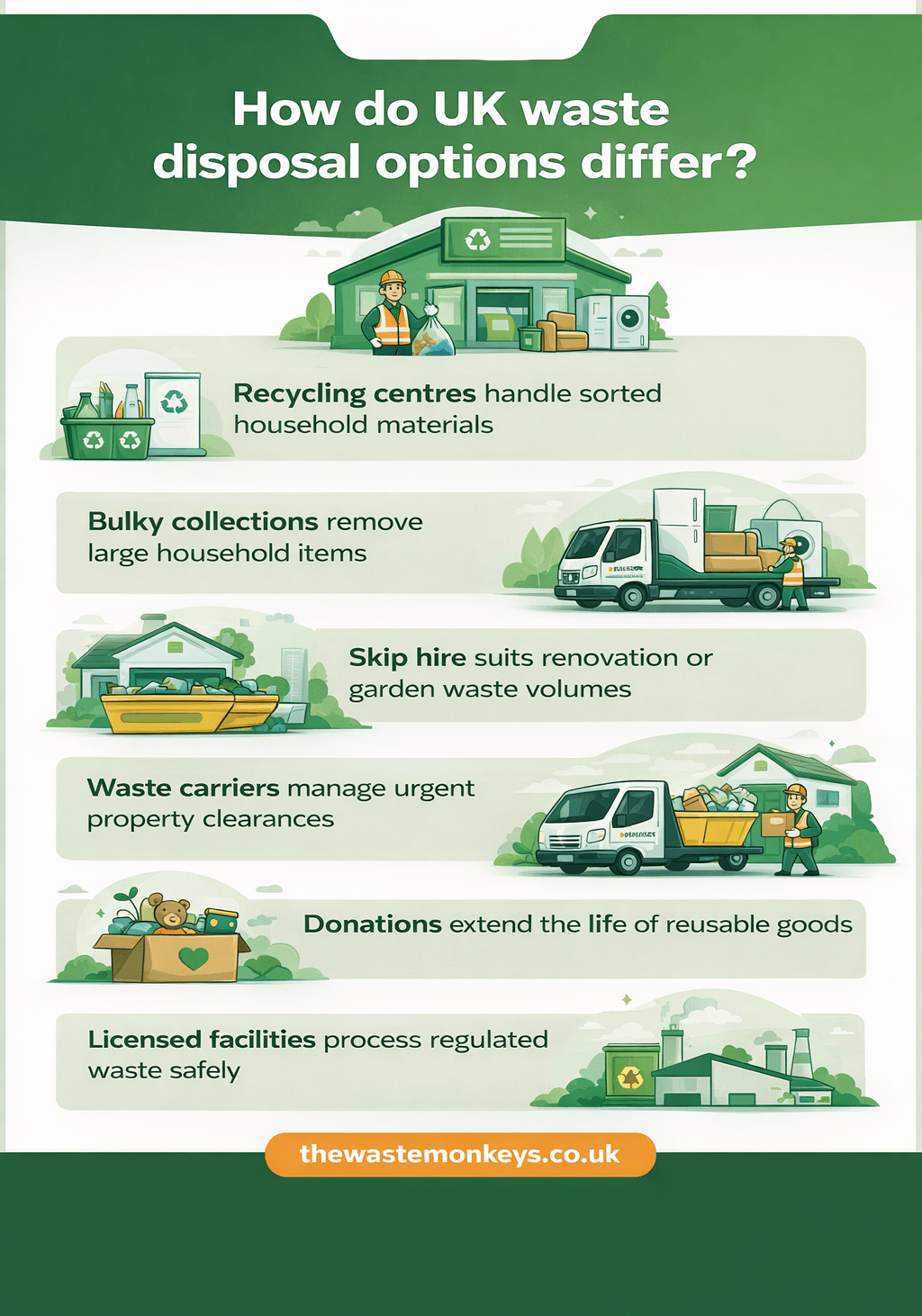
Council Recycling Centres
Household Waste Recycling Centres accept separated materials like wood, metal, garden waste, electrical items, and small construction debris. Check your council website for locations, accepted materials, and opening times.Bulky Waste Collection Services
Council bulky collection services remove large items like furniture and appliances from your property on scheduled dates, typically charging per item or offering limited free annual collections depending on local authority policies.Skip Hire
Skips suit home renovations, garden clearances, and house clearouts where waste volumes exceed what cars can transport to recycling centres. We offer skip hire services in multiple sizes from 4 to 12 cubic yards, delivering skips to your driveway and handling all waste disposal legally and responsibly.Professional Waste Removal Services
Licensed waste carriers provide same-day or next-day collections for urgent removals, house clearances, and situations where transporting waste yourself proves impractical or impossible.Recycling and Donation Options
Charity collections, reuse centres, and community groups accept functional furniture, working appliances, and usable building materials that extend product lifecycles through redistribution rather than disposal.Professional waste management guidance covering classification systems, hazardous waste handling, and regulatory interpretation helps waste producers understand obligations for different material streams and ensures proper documentation accompanies transfers to authorised facilities.
How to Dispose of Furniture
Large furniture items cannot go in household bins and require alternative disposal routes including bulky waste collections, recycling centre drop-offs, charity donations for functional items, or professional removal services for quick clearance.
Mattress
Mattresses require specialist recycling because springs, foam, and fabric separate for recovery. Council bulky collections, recycling centres, and some charities accept functional mattresses meeting safety standards.
Sofa
Usable sofas suit charity collection or reuse schemes, while damaged sofas need council bulky collection or waste removal. Dismantling sections helps transport to recycling centres.
Bed Frame
Wood or metal bed frames can be recycled at recycling centres in timber or scrap metal skips. Council bulky collections accept assembled beds, or dismantle frames for easier transport.
Wardrobes
Large wardrobes often need dismantling before transport to recycling centres. Functional solid wood units may suit charity donation, while damaged or flat-pack wardrobes go to timber recycling.
Dining Table
Dining tables in good condition may be donated or reused through furniture charities. Broken tables can go to recycling centres in wood sections or council bulky collections.
Office Furniture
Office furniture such as desks, chairs, filing cabinets, and shelving follows similar disposal routes. However, businesses must use licensed commercial waste collections with proper waste transfer documentation.
Garden Furniture
Plastic garden furniture may be recycled at centres accepting rigid plastics, wooden items go in timber skips, and metal sets suit scrap recycling. Functional pieces may be donated.
To dispose of garden furniture properly:
- Assess whether the item can be reused before scheduling disposal.
- Take apart large pieces so they fit in a vehicle or recycling container.
- Plan bulky collection ahead of time, particularly during busy periods.
- Dispose of items responsibly to avoid fly-tipping fines.
These steps protect against illegal dumping penalties while ensuring maximum material recovery through proper sorting and authorised disposal channels.
How to Dispose of DIY Waste
Small scale home renovation projects generate materials requiring proper disposal through recycling centres, skip hire for larger volumes, or licensed carriers handling mixed loads.
Here are common DIY waste materials and their recommended disposal routes for homeowner projects:
| Material Type | Disposal Method | Recycling Potential |
|---|---|---|
| Plasterboard | Recycling centre in a dedicated bay | High if kept separate from other waste |
| Tiles | Hardcore skip or rubble section | Low, usually sent to aggregate recycling |
| Small rubble amounts | Recycling centre inert waste area | Crushed for road base and construction fill |
| Timber offcuts | Wood waste skip, separate treated wood | High for untreated timber, treated needs specialist routes |
| Broken cabinets | Bulky waste or general waste | Low unless solid wood suitable for timber recycling |
Recycling centres accept most DIY materials in separated bays that maximise material recovery rates and reduce landfill volumes.
Skip hire suits renovation projects generating several tonnes of mixed waste over days or weeks, while licensed waste carriers handle awkward timing or access situations where skips cannot be positioned safely.
How to Dispose of Construction Waste
Major renovations and building work produce substantial waste volumes requiring proper segregation, licensed disposal, and high recycling rates to meet environmental targets and duty of care obligations.
The following table shows common construction materials and their disposal requirements for building projects:
| Material | Disposal Route | Segregation Requirement |
|---|---|---|
| Rubble and concrete | Aggregate recycling facility | Separate from mixed waste for crushing |
| Bricks | Hardcore recycling or reuse | Clean bricks suit architectural salvage |
| Timber | Wood recycling or biomass | Separate treated from untreated timber |
| Metals | Scrap metal recycling | High value, always separate for recovery |
| Plasterboard | Specialist plasterboard recycling | Must stay dry and separate from general waste |
Construction waste separation on site increases recycling rates and reduces disposal costs because mixed loads cost more to process than pre-sorted materials.
Research on circular economy approaches in construction demonstrates significant environmental benefits and cost savings from material reuse and lifecycle extension in building sector waste streams, with aggregate recycling and component recovery reducing virgin material demand.
Skip hire provides the most practical solution for building projects, allowing gradual filling over the project duration and providing designated space for different material streams.
How to Choose the Right Waste Disposal Option
Selecting the right waste disposal option depends on the type of waste, the volume, and whether you can transport materials yourself or need professional collection.
Common disposal options include:
- Small everyday waste, such as packaging, food scraps, and household rubbish, goes in standard bins with separate recycling collections.
- Bulky household items like furniture and large appliances need council bulky collection, recycling centre drop-off, or professional waste removal.
- Electrical appliances require WEEE-compliant disposal through recycling centres, retailer take-back schemes, or licensed carriers.
- DIY or renovation waste is often handled through skip hire or licensed waste carriers for smaller loads.
- Hazardous materials, including batteries, paint, chemicals, and asbestos, require specialist disposal through council or licensed hazardous waste services.
Matching waste type to authorised disposal routes ensures legal compliance, maximises recycling, and avoids fly tipping penalties that damage the environment and create enforcement action risks.
Conclusion
Different waste types require proper disposal routes to protect the environment and comply with UK regulations. Recycling centres, bulky collections, skip hire, and licensed waste removal services handle items from furniture to rubble. If you need help removing bulky waste or renovation debris, we can collect and dispose of it responsibly.
Get a free quote and we will handle your waste removal professionally.
FAQs
How do I dispose of bulky waste in the UK?
Book council bulky collection through local authority websites, take items to household recycling centres, or arrange professional waste removal for same day or next day collection.
Can I take a van to the recycling centre?
Most recycling centres accept vans under 3.5 tonnes gross weight for household waste, though some require permits or restrict commercial vehicles during peak times.
Do I need a waste transfer note for household waste?
Household waste disposed through council services does not require waste transfer notes, but businesses and landlords clearing properties must obtain them from licensed carriers.
Where can I dispose of hazardous household waste?
Council recycling centres have hazardous waste sections accepting batteries, paint, chemicals, and fluorescent tubes, with some authorities offering separate hazardous waste collection services.
Is it illegal to dump furniture in the UK?
Yes, fly tipping furniture or any waste on public or private land without permission is illegal, carrying fines up to £50,000 and potential criminal prosecution.